Small-space resin outdoor furniture: what fits, lasts and feels comfortable
Making a small outdoor area work harder
A patio or balcony does not need a large furniture set to feel useful. The trick is to choose pieces that do more than one job, fit the available space with room to move, and tolerate the conditions they will face outdoors. Resin outdoor furniture is often considered for these areas because it can be made in compact shapes, light forms, and styles that suit both paved patios and apartment balconies. The aim is not to fill every corner. It is to leave enough open space for the area to feel calm and easy to use.
Start with the way the space is used. A balcony with a morning coffee routine may need one comfortable seat, a narrow table, and a place for a cup or book. A small patio used for evening meals may call for a compact dining set that can be moved aside. A porch swing offers a different kind of seating, closer to a bench but with a gentle motion that makes the space feel restful. Each choice changes how much floor area remains, so the best layout usually begins with movement rather than furniture.
Resin porch swings fit well in covered or partly sheltered spots where a hanging seat can become the main feature. They work like a bench suspended from a frame or support, with the seating surface moving slightly as weight shifts. That movement makes them different from fixed benches. They can feel more relaxed, but they also need clear space around them and a suitable structure above. On a balcony, this means checking the building rules and the load limits before assuming a swing is practical. On a patio, a freestanding frame may be easier to place, though it still needs level ground and breathing room.
What resin furniture is and why it suits compact spaces
Resin outdoor furniture is generally made from synthetic materials shaped into panels, frames, or molded forms. Depending on the product, resin may be used for the whole piece or combined with metal supports, cushions, or hardware. It is chosen for outdoor use because it does not behave like untreated wood, which can splinter, and it does not need the same routine of staining or sealing. Some pieces are molded to include texture, color, or curved details, which helps them look finished without extra parts.
In small spaces, the practical benefit is often flexibility. A resin chair can be light enough to move between a dining table and a quiet corner. A garden bench can serve as seating during the day and as a temporary surface for plants or bags when needed. A side table can sit beside a chair, then slide under it when the area needs to be opened up. Pieces that are easy to reposition tend to earn their place because a small outdoor area often changes use from hour to hour.
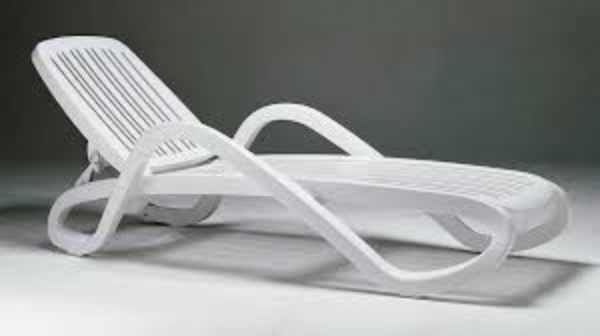
Comfort still matters. Resin surfaces can feel firm in hot weather and cool quickly in colder months, so cushions or pads may make a seat more inviting. The shape of the chair matters just as much. A seat with a supportive back and enough depth can feel settled without taking over the whole balcony. A rocking chair can add gentle movement in a compact footprint, but it needs clear floor space behind and in front. A swing has a similar issue, with the added need for safe overhead support.
For shoppers comparing durable chairs for backyard retreats, the useful question is not only whether a chair looks compact. It is whether the seat is comfortable, the frame is stable, and the material suits the weather. A small chair that feels cramped will not be used, even if it saves space. A slightly larger chair with a well-shaped back may be the better choice if it still leaves a clear path through the area.
Choosing the right mix of pieces
A small patio or balcony usually works best with a short list of furniture roles. One main seat, one supporting seat, and one surface can be enough. Adding more pieces can make the space feel crowded, especially if every item has a different shape or finish. Resin furniture often comes in coordinated styles, which can make a compact area look more settled. Matching does not have to be exact, though. Repeating one color or one texture can create the same sense of order.
Seating comes first. An Adirondack chair has a wide, low profile and a relaxed angle, which can suit a patio corner where there is room to stretch out. On a narrow balcony, it may feel too broad unless it is the only main seat. A garden bench uses space efficiently along a wall or railing, though it may lack the personal comfort of a chair with armrests. A porch swing can replace a bench where movement is welcome and the support is suitable. A rocking chair can work in a sheltered spot, provided the motion does not clash with a door or walkway.
Tables should be chosen for the way they will be used. A small dining table supports meals, but it also needs chairs that can pull in and out. For balconies, a narrow table against the edge may leave more room to stand. A side table is useful beside a chair because it keeps drinks, phones, and small items within reach without demanding a full dining footprint. Some resin tables are easy to wipe clean, which helps when outdoor surfaces collect dust, pollen, or rain spots.
Storage and accessories can change how spacious the area feels. Cushion boxes, plant stands, and wall-mounted details may help, but each one should have a clear purpose. Too many small objects can make a balcony look busy. The same applies to cushions. They add comfort, yet they need somewhere to go when it rains or when the space is being used for dining. Pieces that can double as an ottoman or extra seat may be more useful than a decorative item with one fixed role.
Measure the space before choosing a style
Good small-space furniture decisions depend on measurement. The width and depth of the balcony matter, but so do door swings, railing height, planters, downpipes, and the path to the entrance. Furniture should not block drainage or make it awkward to close a door. It is also worth leaving a clear route so people do not have to turn sideways to move through the space. In a small area, a few centimeters of extra clearance can change how comfortable the layout feels.
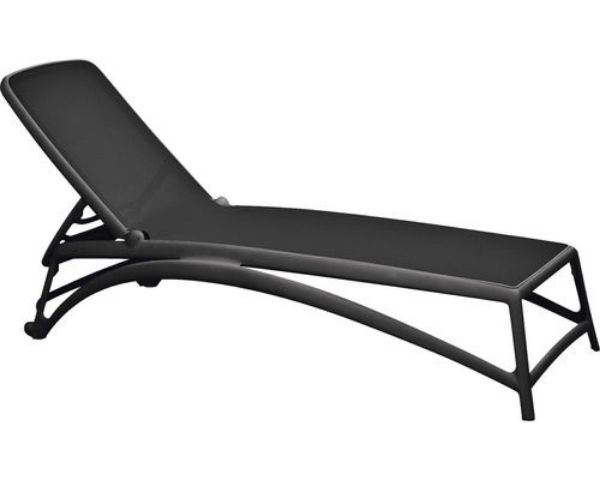
Seat depth is a useful measurement to check. A shallow seat may fit well but feel upright and short on support. A deep seat can feel relaxed but may push the table too far away. Armrests also affect fit. They make it easier to sit and stand, yet they add width. If two chairs are planned side by side, measure across the arms rather than just the seat shell. For a bench or swing, compare the width with the available wall or railing run, then check that people can still pass in front.
Height deserves attention too. A dining table needs enough clearance for chair arms and comfortable legroom. A low coffee table may look neat beside an Adirondack chair, but it can be awkward for meals. A hanging seat needs overhead clearance, plus safe attachment points. If the support is not purpose-built or rated for the intended use, the sensible choice is to avoid hanging anything from it and seek advice from a qualified professional. The same caution applies if a frame or fixing seems loose or unstable.
Weather, placement and day-to-day comfort
Outdoor furniture has to cope with sun, rain, wind, and temperature changes. Resin can be a practical choice in part because it is often made to handle outdoor exposure, but placement still changes how comfortable it feels. A chair in direct afternoon sun may be warm to sit on, while the same chair under shade may be pleasant. Shade placement can come from a canopy, awning, parasol, or nearby structure, depending on what is suitable for the space. On balconies, wind can be more noticeable than on patios, so lightweight pieces may need to be positioned where they will not shift or catch gusts.
Rain matters as much as sun. Furniture with flat surfaces should dry after a shower, and cushions should not be left soaked if they are meant to stay fresh. Molded resin pieces with drainage gaps can be easier to manage than designs that trap water. Metal hardware should be checked now and then for looseness, especially on movable parts such as a swing frame or rocking chair base. A quick visual check is usually enough to spot obvious problems before they become inconvenient.
Think about the ground surface as well. Patio slabs, deck boards, and balcony flooring all affect stability. Uneven paving can make a chair wobble, while smooth tiles may let lightweight furniture slide more than expected. Feet or glides can help protect surfaces and reduce noise when chairs are moved. If a piece sits on decking, it is worth considering how water drains around it and whether the feet trap moisture against the boards.
Comfort also depends on what the furniture is for. Long sitting calls for back support, arm support, and a seat that does not slide the body forward. Dining needs an upright position and a table at a workable height. A swing is better for slower moments than for working at a laptop. A rocking chair can be relaxing, yet it is not ideal where a person needs to get in and out quickly. Matching the piece to the activity avoids the common mistake of buying furniture that looks right but does not fit the routine.
Building a layout that stays flexible
The most useful small outdoor layouts leave room to change. Chairs should be easy to pull up to a table and easy to move back. A bench can sit along a wall until more seating is needed. A side table can shift between seats. Resin porch swings can anchor a quiet corner, but the rest of the layout should not depend on everyone gathering in one fixed spot. Flexibility is especially helpful on balconies, where the same area may serve as a reading nook, a dining space, and a place for plants.
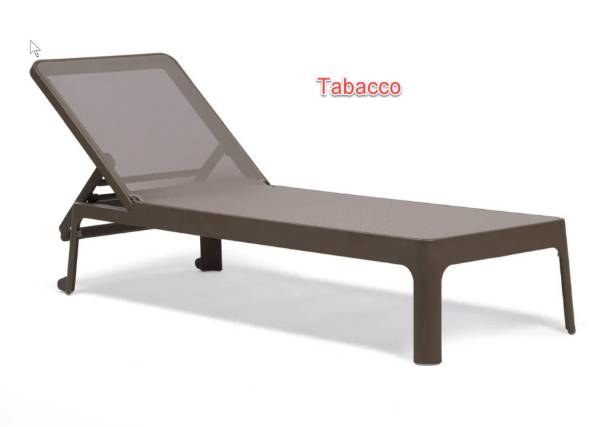
When comparing durable chairs for backyard retreats, look for pieces that balance size, comfort, and practicality. A chair that stacks, nests, or slides neatly under a table can be valuable where floor space is tight. A bench may be less comfortable for long sitting but better for occasional guests. A swing may become the favorite seat while using more vertical space than expected. There is no single correct mix, only the mix that suits the dimensions, shelter, and daily habits of the area.
A practical way to decide
Before settling on a set, sketch the space in simple terms. Mark the door path, the railing or wall, and any fixed features. Place the main seat first, then add a table and one extra seat if there is room. Keep a clear route, and avoid filling the middle of the area unless the space is wide enough to spare it. If a swing or rocking chair is part of the plan, leave enough motion space and check the support carefully.
Small patios and balconies can be comfortable without feeling packed. The key is to treat resin outdoor furniture as a set of choices about movement, support, placement, and use. A compact chair with good proportions may matter more than a full set. A bench may solve a tight layout. A porch swing may turn a covered corner into the most inviting spot. When each piece has a clear role, the space feels larger and easier to enjoy.
Ends · PATIOWAYS